Climate Justice

Mitigating Risks of Climate Change


Sri Lanka is acutely vulnerable to the adverse effects of climate change. As a tropical island with extensive coastlines and a largely agrarian economy, it faces mounting threats from rising sea levels, intensifying monsoons, droughts, and cyclones. These risks endanger human lives, ecosystems, and economic stability, particularly in coastal, agricultural, and densely populated areas. Addressing climate change requires urgent, people-centred action and systemic global cooperation.

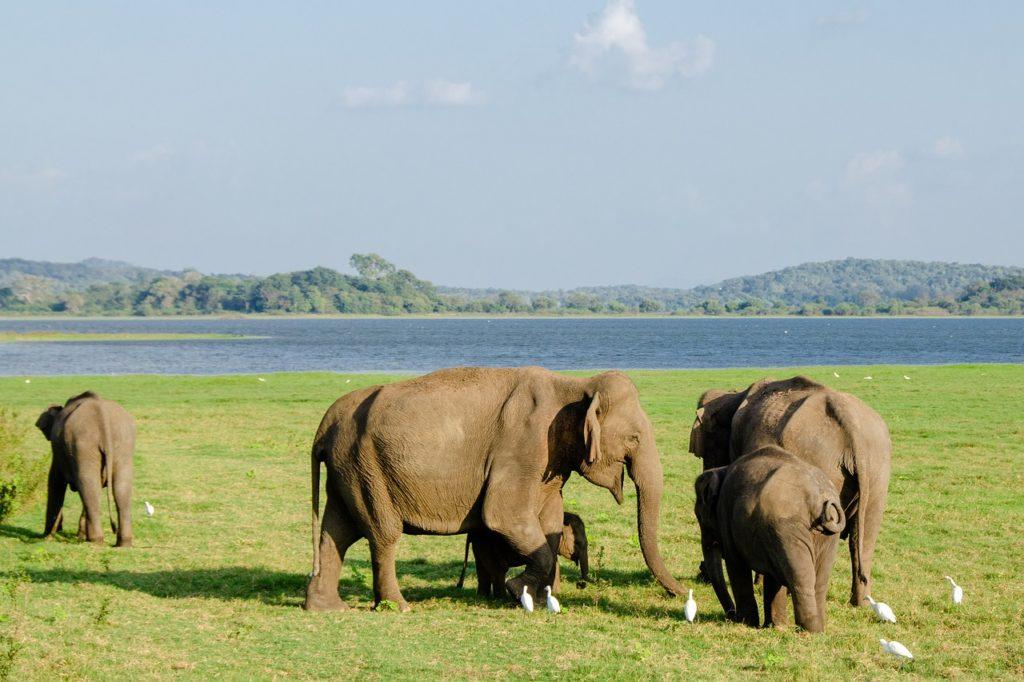
lake, trees, yala national park-5574020.jpg
Climate and Debt

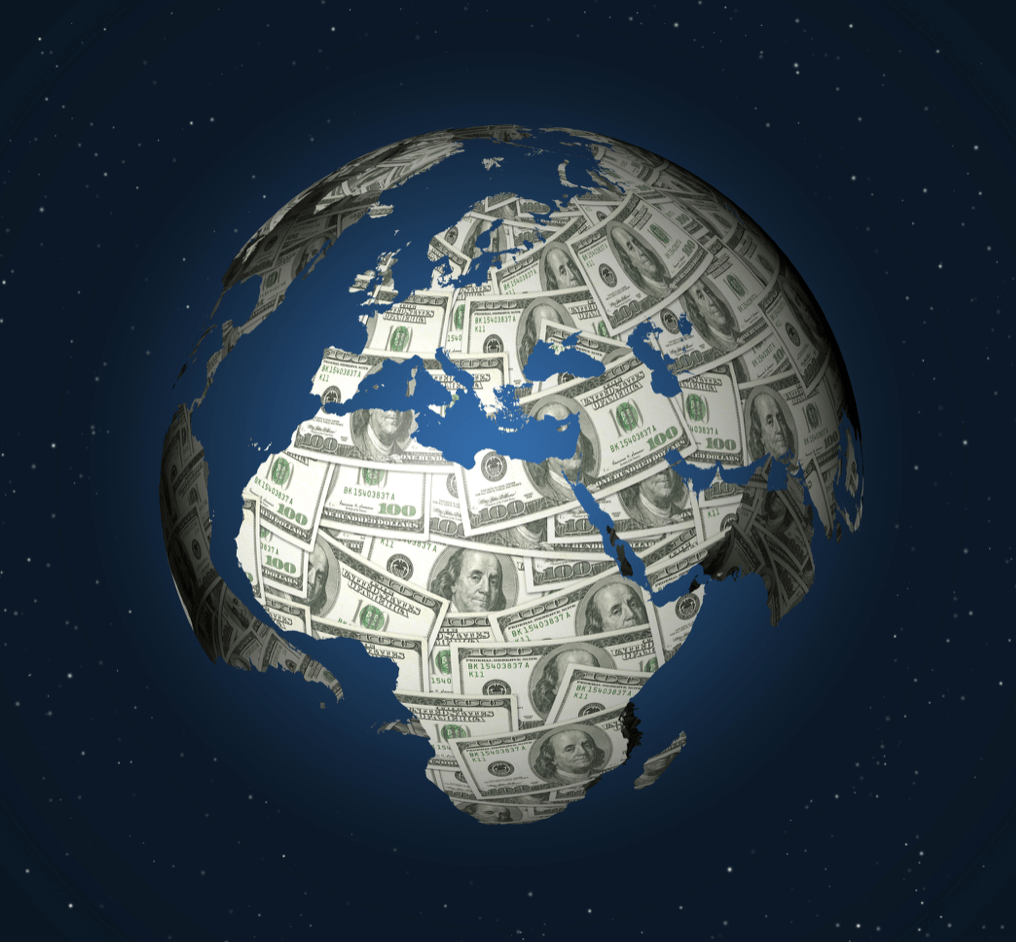
Sri Lanka’s debt crisis limits its capacity to finance climate adaptation. While some international proposals promote climate-debt swaps, these often reinforce unequal power dynamics and conditionalities. What Sri Lanka needs is climate justice—in the form of grants and climate reparations from major emitters historically responsible for global warming. True climate resilience requires financial sovereignty, not further dependence.


<-  Climate Action Network


Why Debt-for-Nature Swaps     

won’t Save Sri Lanka  ->

Food Security: Agriculture and Fisheries

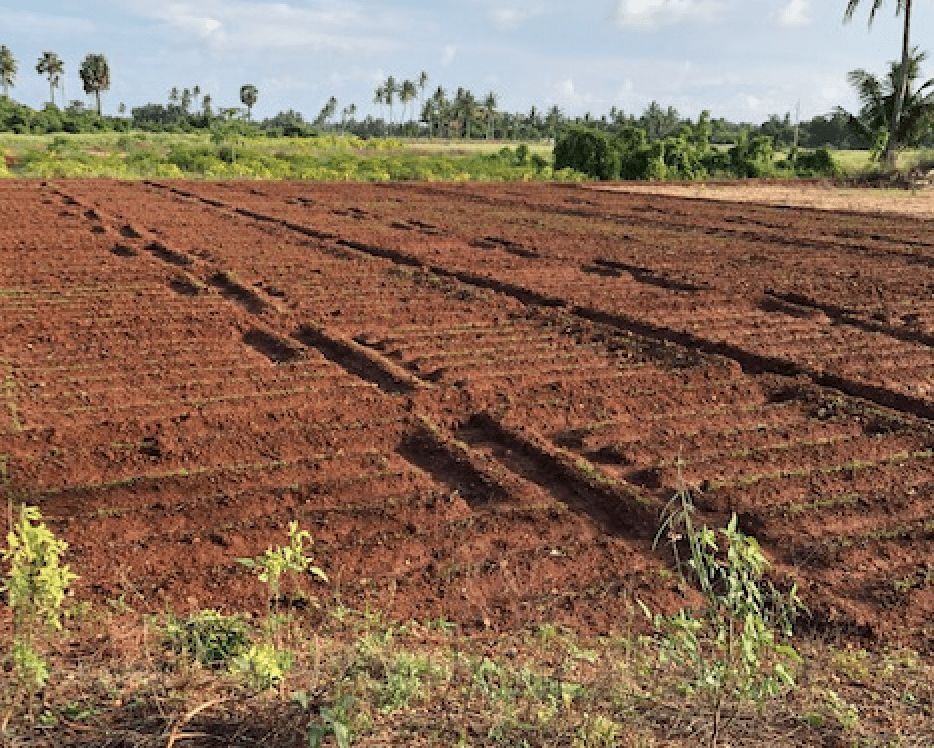
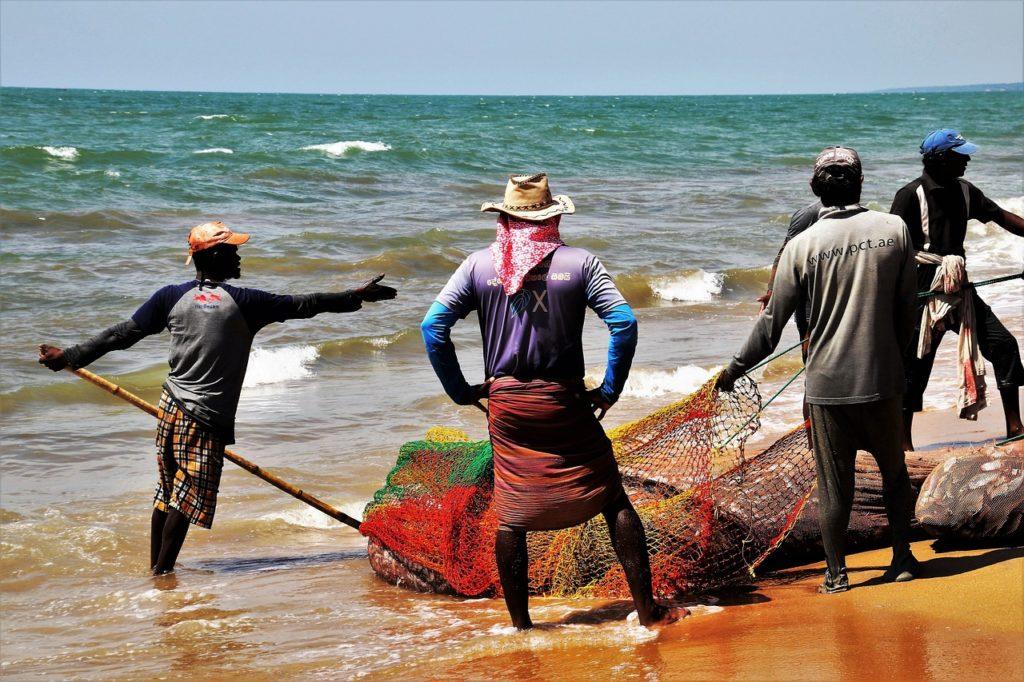
Climate variability has disrupted Sri Lanka’s rainfall patterns, affecting paddy cultivation and increasing salinity in coastal agricultural lands. Inland and coastal fisheries, vital for nutrition and livelihoods, are also under threat from warming waters, coral bleaching, and overexploitation. Sustainable, community-led agroecological practices and marine conservation efforts are critical to securing food systems under climate stress.


World Food Programs ->

Economic Development and Renewable Energy

A just transition to renewable energy offers opportunities for energy sovereignty, job creation, and low-carbon growth. Sri Lanka can lead by investing in solar, wind, and micro-hydro power—while ensuring that local communities benefit equitably and ecosystems are not harmed.


<-  Renewable Energy, World Bank support


Protecting Biodiversity

Sri Lanka’s remarkable biodiversity—from endemic rainforest species to rich marine ecosystems and unique microbial life—is threatened by deforestation, pollution, and climate change. Protecting habitats through inclusive conservation, restoring degraded ecosystems, and supporting indigenous knowledge are vital for ecological resilience.


National Policy on Biodiversity ->

Express Press Pearl Disaster

The 2021 Express Pearl ship disaster caused one of the worst marine pollution incidents in Sri Lanka’s history. Toxic chemicals and plastic pellets devastated marine life and ruined coastal livelihoods, especially among small-scale fishers. Compensation has been inadequate, and affected communities continue to face economic and health hardships. Stronger environmental liability laws and coastal protections are essential to prevent future disasters.


<-  Green Peace, The unseen impact still remains

UN Sustainable Development Goals (SDGs) and Sri Lanka

Climate action intersects with multiple UN-SDGs, including zero hunger (Goal 2), clean water (Goal 6), sustainable cities (Goal 11), climate action (Goal 13), life below water (Goal 14), and life on land (Goal 15). Sri Lanka’s national policies must align with these goals through inclusive, environmentally just strategies that prioritise the wellbeing of people and ecosystems over extractive growth models.


UN, Sri Lanka ->